Strength Training or Cardio: Which is More Effective for Fat Loss According to Science

Fat loss remains one of the most common fitness goals worldwide. Many people wonder whether strength training or cardio offers the best path to shedding fat. Both exercise types have their advocates, but science provides clear insights into how each affects fat loss. This post breaks down the evidence to help you decide which approach fits your goals and lifestyle.

How Fat Loss Works
Fat loss happens when your body burns more calories than it consumes, creating a calorie deficit. This deficit forces your body to use stored fat for energy. Exercise helps increase calorie burn, but the type of exercise influences how your body responds.
Two main factors affect fat loss through exercise:
Calorie expenditure during and after exercise
Changes in metabolism and muscle mass
Understanding how strength training and cardio impact these factors clarifies which is more effective for fat loss.

What Science Says About Cardio and Fat Loss
Cardiovascular exercise, or cardio, includes activities like running, cycling, swimming, and brisk walking. Cardio primarily improves heart and lung health while burning calories.
Benefits of Cardio for Fat Loss
High calorie burn during exercise: Cardio burns a significant number of calories while you perform it. For example, running at a moderate pace can burn 600-800 calories per hour depending on body weight.
Improved cardiovascular health: Better heart and lung function supports overall fitness and endurance.
Fat oxidation: Cardio encourages your body to use fat as a fuel source, especially during moderate-intensity steady-state exercise.
Limitations of Cardio for Fat Loss
Calorie burn stops after exercise: Once cardio ends, calorie burn returns to baseline quickly.
Muscle loss risk: Excessive cardio without strength training can lead to muscle loss, which lowers resting metabolic rate.
Plateaus: Over time, your body adapts to cardio, reducing its effectiveness for fat loss unless intensity or duration increases.
Research Findings on Cardio
A 2015 study published in the Journal of Obesity found that moderate-intensity cardio helped reduce body fat but did not significantly increase muscle mass or resting metabolic rate. Another study in Obesity Reviews (2018) showed that while cardio improves fat loss, combining it with strength training yields better long-term results.
How Strength Training Supports Fat Loss
Strength training involves resistance exercises like weightlifting, bodyweight exercises, and resistance band workouts. It focuses on building muscle mass and strength.
Benefits of Strength Training for Fat Loss
Increased muscle mass: Muscle tissue burns more calories at rest than fat tissue, raising your resting metabolic rate.
Afterburn effect: Strength training causes excess post-exercise oxygen consumption (EPOC), meaning your body continues to burn calories hours after the workout.
Improved body composition: Strength training helps preserve or increase lean muscle while reducing fat, leading to a toned appearance.
Hormonal benefits: It boosts hormones like testosterone and growth hormone that support fat loss and muscle growth.
Limitations of Strength Training for Fat Loss
Lower immediate calorie burn: Strength training burns fewer calories during the workout compared to cardio.
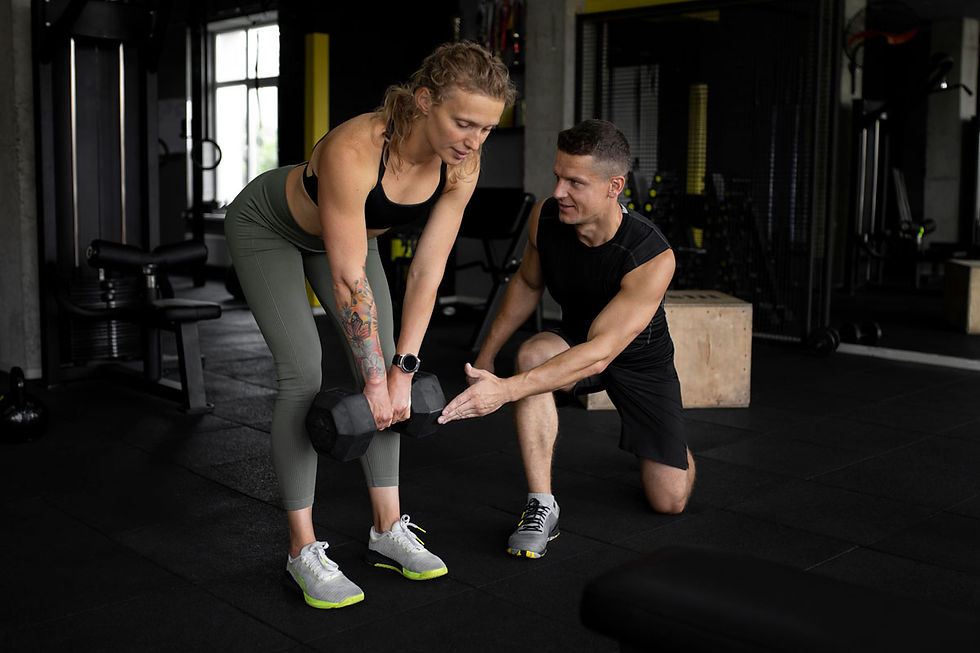
Learning curve: Proper form and technique are essential to avoid injury, which may require guidance for beginners.
Research Findings on Strength Training
A 2017 study in Medicine & Science in Sports & Exercise showed that participants who did strength training lost more fat and gained more muscle than those who only did cardio. Another review in Sports Medicine (2019) concluded that strength training is crucial for maintaining fat loss and metabolic health.

Combining Strength Training and Cardio for Best Results
Many experts agree that combining both exercise types offers the most effective fat loss strategy. Here’s why:
Cardio burns calories quickly, helping create the calorie deficit needed for fat loss.
Strength training builds muscle, increasing metabolism and improving body composition.
Variety prevents plateaus by challenging your body in different ways.
Improved overall fitness with benefits for heart health, strength, and endurance.
Practical Example of a Combined Routine
3 days of strength training: Focus on compound movements like squats, deadlifts, bench press, and rows.
2-3 days of cardio: Mix moderate-intensity steady-state (like jogging) with high-intensity interval training (HIIT).
Rest days: Include active recovery like walking or yoga.
This balance supports fat loss while preserving muscle and improving fitness.

Nutrition’s Role in Fat Loss
Exercise alone is not enough for fat loss. Nutrition plays a critical role:
Calorie deficit: You must consume fewer calories than you burn.
Protein intake: Eating enough protein supports muscle repair and growth, especially important with strength training.
Balanced diet: Include whole foods, vegetables, healthy fats, and carbohydrates to fuel workouts and recovery.
Tracking food intake and adjusting based on progress helps maximize fat loss results.
Common Myths About Fat Loss and Exercise
Myth: Cardio is the only way to lose fat.
Strength training also promotes fat loss and improves metabolism.
Myth: Lifting weights makes you bulky.
Building significant muscle mass requires specific training and nutrition; most people become toned and lean.
Myth: You can spot reduce fat.
Fat loss happens throughout the body, not just in targeted areas.
Myth: More exercise always means more fat loss.
Overtraining can lead to injury and burnout; recovery is essential.
How to Choose What Works for You
Consider these factors when deciding your approach:
Your goals: If you want to improve muscle tone and strength, prioritize strength training. For endurance and heart health, include cardio.
Your preferences: Enjoyment increases consistency. Choose activities you like.
Your schedule: Combine shorter, intense workouts if time is limited.
Your fitness level: Beginners may start with moderate cardio and basic strength exercises.
The MCT Infinity method provides a combination of strength, cardio, mobility, and recovery training specifically designed to suit your fitness objectives. Schedule a consultation with us today to discover how we can collaborate to help you become your best self!


Comments